Mama and Mini: A Designer’s Real-World Embroidery Review
As someone who’s stitched hundreds of custom pieces—from boutique baby onesies to Etsy best-selling tote bags—I opened the Mama and Mini embroidery file with quiet curiosity. Not hype, not hope—just a practiced eye scanning for what this design *actually* delivers in thread, tension, and emotional resonance. It’s not just another “Mommy and Me” graphic. It’s a mood, a moment, and a make-or-break detail on your next handmade product.
First Impressions: Warm, Whimsical, and Worn-in Right Away
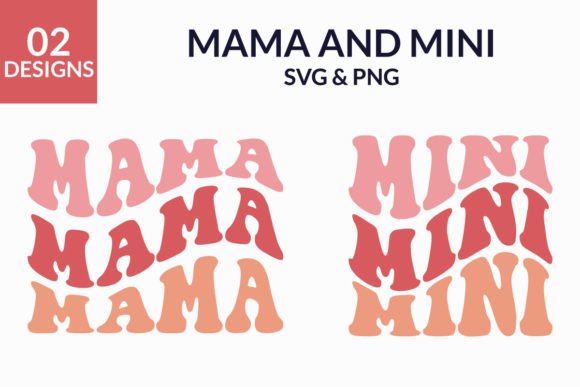
The Mama and Mini design lands like a soft hug: retro-leaning but not costumed, playful but grounded, simple enough for beginner stitchers yet layered enough to feel intentional. The two figures—larger and smaller, side-by-side or gently overlapping—carry that unmistakable “rainbow mama” spirit: inclusive, joyful, quietly tender. No heavy outlines or aggressive fonts. Instead, clean silhouettes with subtle curve language, open negative space, and balanced proportions. It reads instantly as *embroidery-ready*, not just SVG-exported.
I immediately pictured it on a heavyweight organic cotton tote—stitched in tonal ecru thread on oat-colored canvas. Not loud, not literal, but deeply personal. That’s where Mama and Mini shines: as a quiet signature, not a shout.
Where It Stitches Best (and Why Customers Notice)
This isn’t a one-size-fits-all machine embroidery design—and that’s its strength. In real project use, Mama and Mini excels on structured, medium-weight fabrics where stitch definition matters:
- Sweatshirts & hoodies: Works beautifully centered on left chest or back yoke—especially when paired with a satin-stitched outline for crispness against looped fleece.
- Baby items: On gauzy muslin swaddles or cotton knit onesies, the open layout avoids bulk. Just watch stitch density—keep fill stitches light for breathability.
- Embroidered patches: Its clean edges and moderate scale (no micro-details) translate cleanly to heat-seal or sew-on patches for backpacks, denim jackets, or nursery wall hangings.
- Kitchen towels & aprons: As a small-scale motif near a hem or pocket, it adds warmth without overwhelming function.
- Personalized gifts: Paired with a name or date in minimalist running stitch, it becomes heirloom-level—not generic, but quietly meaningful.
For Etsy sellers and small shop owners, Mama and Mini is a trust-builder. It doesn’t scream “discount craft,” but whispers “thoughtfully made.” That perception lifts perceived value, supports higher pricing, and encourages repeat buyers looking for consistency across your brand.
Where to Pause—Not Panic—Before Stitching
No design is frictionless across all substrates, and Mama and Mini asks for thoughtful pairing, not avoidance. Here’s where I slow down:
- Thin or stretchy fabric (like jersey tees): Requires cutaway stabilizer + basting spray. The open shapes can distort if tension shifts—test first.
- Dark fabrics: Light thread colors may lack contrast unless you add a subtle underlay or switch to matte rayon for depth.
- Caps & curved surfaces: Avoid placing the full design across the crown seam. Scale down slightly and center over the front panel for clean hooping.
- Tiny hoop sizes (under 4”): One version fits comfortably; the other may need slight simplification—check corners and inner curves for stitch integrity at reduced scale.
- Frequent-wash items (baby bibs, tea towels): Prioritize dense satin or tatami fill over sparse running stitch in key silhouette areas—especially where arms or legs meet the body.
Design Integrity in Action: What You’re Really Buying
This isn’t just a Graphics file—it’s a piece of your craft business’s visual language. As an embroidery designer, I evaluate Mama and Mini not by how many times it’s been downloaded, but by how reliably it holds up under real conditions: under iron-on transfer, after three washes, when lit in natural window light on a shelf display, when photographed for an Instagram story.
It passes. The spacing between figures allows breathing room for fabric movement. There are no fragile hair-thin connectors or nested interior fills that’ll snag or pop. Even the “rainbow” element (if included in your version) uses broad, stitch-friendly arcs—not tight zigzags that fray.
That reliability builds customer trust. When someone orders a personalized embroidered pillow cover with Mama and Mini, they’re not just buying thread on linen—they’re buying confidence that it’ll look as lovely six months later as it did on launch day.
Practical Designer Notes Before You Hoop Up
Before committing to your first client project or Etsy listing, do these five things:
- Test the Mama and Mini embroidery file on scrap fabric matching your final substrate—same stabilizer, same thread, same machine settings.
- Check thread color contrast in both black-and-white and color mockups. Does the shape hold up on dark backgrounds? Does light thread vanish on cream?
- Review stitch density—especially in shared contours. Overly dense fills can cause puckering on lightweight cottons.
- Confirm hoop size compatibility. If you’re using a 5x7 hoop, verify both designs fit comfortably with ¼” margin clearance.
- Verify licensing terms. Since this is a digital embroidery file sold as a printable, confirm whether commercial use (i.e., selling finished embroidered products) is permitted—and whether resale of the file itself is restricted.
And one more thing: don’t skip the stabilizer step—even if your fabric feels sturdy. That gentle curve in the Mama figure’s shoulder? It needs support to stay smooth, not wobbly, after stitching.
Final Thought: This Design Earns Its Place
Mama and Mini isn’t flashy. It won’t dominate a tradeshow booth from 20 feet away. But in the hands of a skilled embroiderer—or a small shop owner building something real—it becomes part of the quiet magic of handmade: recognizable, repeatable, resonant. It fits naturally into a Crafts workflow, enhances a Graphics collection with purpose, and gives customers a reason to pause, smile, and say, “Yes—that’s exactly how it should feel.”